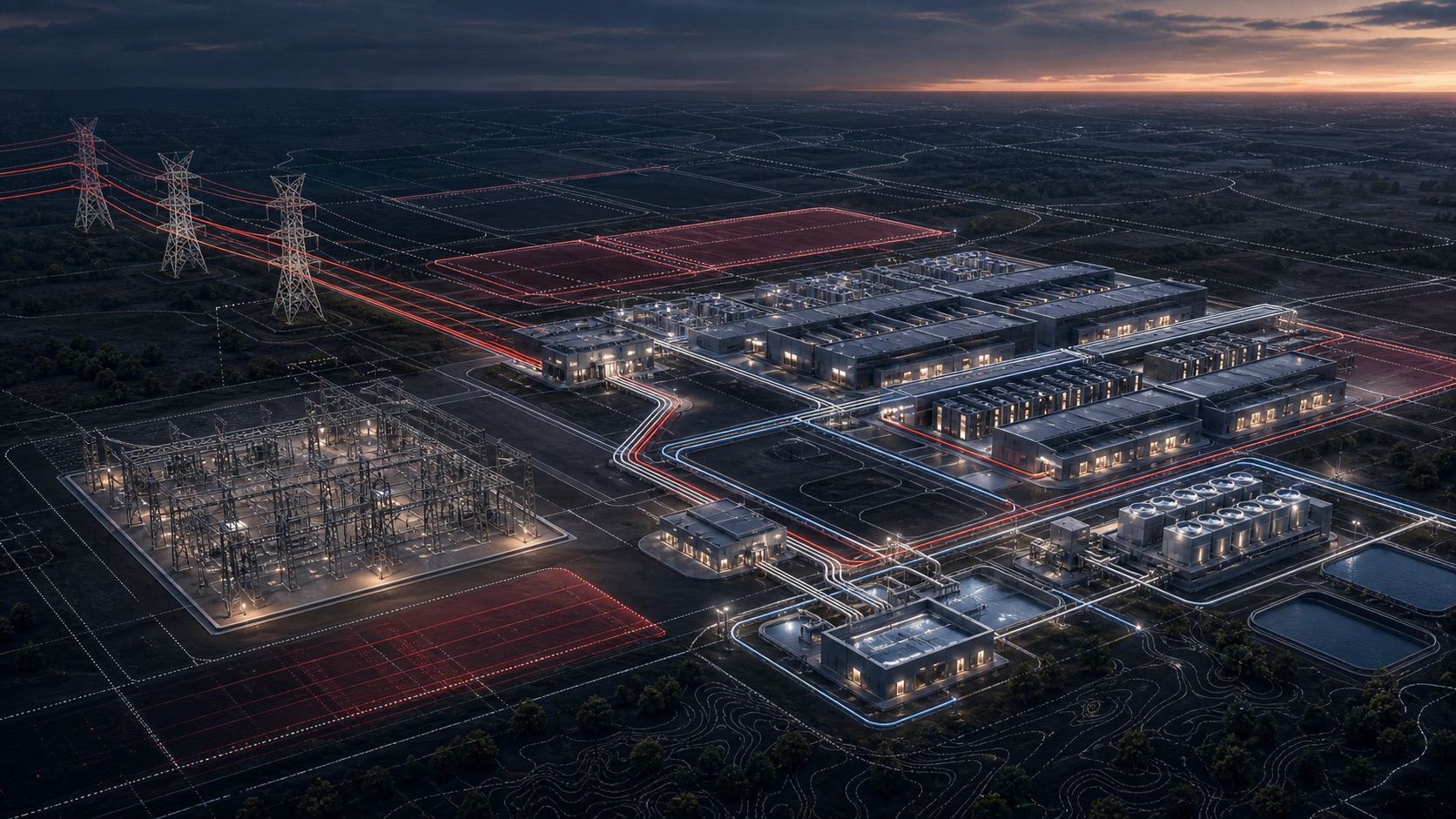
On August 21, 2026, Beijing time, data center site developer Cloverleaf Infrastructure announced a strategic cooperation with NVIDIA, and NVIDIA also made a minority equity investment in the company. The two parties pointed to the scope of cooperation as the digital infrastructure required for American AI factories, and said they would put site, power, cooling, computing and facility planning into a more unified design process. The announcement did not disclose the investment amount, corporate valuation or the specific shareholding ratio obtained by NVIDIA, nor did it indicate when the transaction would be completed, nor did it provide verifiable financial terms.
Scope of cooperation, division of labor and Cloverleaf business foundation
According to Cloverleaf's announcement, the division of labor in the cooperation spans data center construction and computing technology. Cloverleaf is responsible for developing sites with power and construction conditions and coordinating projects with investors, energy technology companies and utilities; NVIDIA provides accelerated computing, high-performance networks, infrastructure software, platform software and DSX platforms. The two parties stated that the cooperation will be used to promote the infrastructure development of AI factories, but did not announce the list of customers, locations or projects that have been included in the cooperation.
Cloverleaf was founded in 2024 with initial investment from Sandbrook Capital and NGP Energy Capital. The company positions itself as a real estate developer, preparing sites that use clean energy and are ready for construction for technology companies building and operating data centers. The announcement also stated that Cloverleaf has advanced project reserves and delivered multiple gigawatt-level projects for North American customers; this performance description comes from the company itself, and the announcement does not list the project name, location, unit capacity, delivery date or third-party verification materials.
DSX has entered the design process, and the operating effect has not yet been tested.
This collaboration puts NVIDIA DSX in the design stage. Cloverleaf plans to use the platform to aggregate decisions ahead of time on land and site conditions, power access, cooling systems, computing equipment and facility engineering, allowing customers to compare options within available power, water resources and grid constraints. The official description of DSX released by NVIDIA on May 31 stated that the platform combines open software libraries, application programming interfaces, reference designs, accelerated computing platforms and partner technologies; this announcement did not specify which specific components Cloverleaf will use.
Regarding the post-commissioning phase of the project, Cloverleaf announced that DSX infrastructure and software will be used to optimize energy usage and computing capacity. This statement is the target of both parties for how it will operate in the future, not the results of the project that have already been achieved. The announcement did not provide information on Cloverleaf sites using DSX, test periods, baseline energy consumption, water savings data, calculated utilization or output per megawatt, and there was no third-party assessment. Therefore, existing materials can only confirm the direction of platform access and cooperation, but not that deployment speed, energy efficiency, or operating costs have changed.
Technology stack docking and project judgment by senior executives of both parties
The cooperative arrangement also allows Cloverleaf customers to connect with NVIDIA on the complete AI factory technology stack, covering accelerated computing, high-performance networking, infrastructure software, platform software and DSX. The announcement stated that the goal of integrating computing, power, cooling and facility operations is to deploy capacity faster, utilize every available megawatt and increase AI output; these are all goals proposed by the partners. The materials did not disclose chip models, purchase quantities, network configurations, software licenses, service prices, or commit to any minimum capacity or completion deadlines.
Cloverleaf co-founder and CEO David Berry focuses the partnership on identifying and developing quality sites and connecting them to U.S. business and employment needs. Nico Caprez, NVIDIA's vice president of global AI infrastructure growth, listed land, power and building shells as the basis for AI factories, emphasizing Cloverleaf's experience in power and site development. The statements made by both of them come from company announcements issued by Cloverleaf. They belong to the partners' judgment of demand and project value, and are not the conclusions of the regulatory agency or independent demand forecasts.
Media cross-confirmation and deal details still to be disclosed
A public feed entry published by TechCrunch on August 21 confirmed NVIDIA's partnership with data center developer Cloverleaf and placed the incident in the context of NVIDIA's continued investment in data center development. The media summary did not give a dollar amount or a list of projects; the Cloverleaf announcement only confirmed the minority investment. The two materials correspond to each other in terms of the nature of cooperation and investment, but neither is sufficient to support claims such as hundreds of millions of dollars of investment, holding acquisitions or board control, nor can it be applied to the amounts of other NVIDIA infrastructure transactions.
As of the announcement, the investment amount, valuation, shareholding ratio, board seats, closing conditions and payment time have not been disclosed; the specific state, site, utility partners, customers, construction schedule, planned capacity, chip number and capital expenditure have not been disclosed. Among the transaction advisors listed by Cloverleaf, J.P. Morgan Securities serves as the exclusive financial advisor, Kirkland & Ellis serves as the legal advisor, and NVIDIA’s advisory arrangement is not specified. The above gaps make this news still a cooperation and minority investment announcement, rather than an accountable list of construction projects.