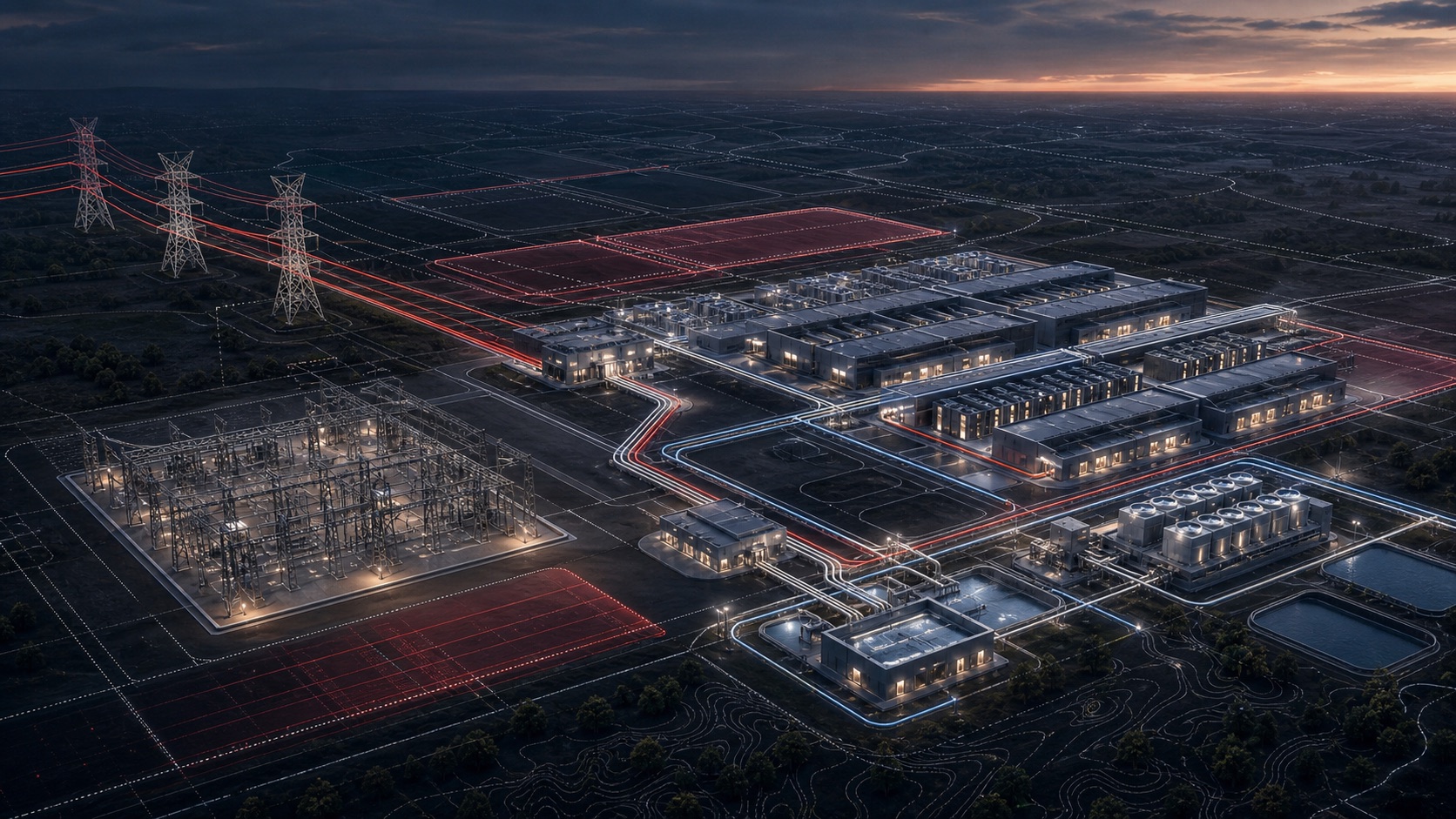
At 10:00 AM Beijing time on November 9, 2026, NVIDIA, SK Telecom, and Korean AI chip company Rebellions signed a memorandum of understanding in Seoul to develop and validate a rack-level heterogeneous inference system. The signing took place during the NVIDIA AI Day Seoul event held at COEX in Seoul. The plan will connect NVIDIA graphics processors with Rebellions' R200 neural processors through NVLink Fusion, utilizing NVIDIA MGX rack architecture. The parties currently announced only the cooperation, development, and validation arrangements, not completed system deployments, commercial purchases, or delivery results.
Division of Labor Among Three Parties and Goal of Separated Inference
According to official announcements from the two companies, Rebellions is responsible for developing the R200 processor for inference, NVIDIA provides NVLink Fusion interconnect capability, MGX architecture, and reference designs, while SK Telecom prepares to validate the system in its artificial intelligence data centers and connect the infrastructure with its proprietary models and public services. The Ministry of Science and ICT of South Korea supports this collaboration. The announcement did not disclose research and development budget, investment proportions, purchase commitments, or how costs are borne by each party.
This solution splits model inference into two stages: pre-filling and decoding. SK Telecom stated that pre-filling is responsible for analyzing user input with high computational requirements; decoding sequentially generates responses, relying more on rapid data reading. The former stage is handled by NVIDIA graphics processors, while the latter is assigned to Rebellions' neural processor. The three parties will examine whether this division of labor can improve throughput and power efficiency. These are the officially set technical objectives; the release materials did not provide independent testing, control systems, power consumption data, or verified performance improvements.
NVLink Fusion Connects R200 to the MGX Rack Architecture
NVLink Fusion opens NVIDIA's rack-scale high-speed interconnect to third-party custom processors, and the project plans to use it to connect the R200 to the computing platform in the same rack. The MGX reference architecture coordinates data-center design elements such as rack footprint, power delivery, and cooling, allowing different processors to share a common system-development foundation. NVIDIA also says the reference design gives Rebellions access to an established network of original design manufacturers and component suppliers. The official announcements describe the intended connection and design conditions but do not disclose a prototype configuration, interconnect bandwidth, number of chips per rack, or completed testing.
SK Telecom plans to bring the integrated system into its AI data center to validate performance and stability and assess conditions for real-service use and commercialization. The company also plans to connect its A.X K2 foundation model and public-facing services under the Korean government's AI for All project. SK Telecom calls the combination of infrastructure, models, and services a full-stack sovereign AI system; that is the company's description of the project. The announcements do not identify the data-center location, compute capacity, launch region, user scope, or formal service date, so these remain plans rather than evidence that the services already use the hardware.
South Korea's Policy Support and 2028 Forward-Looking Arrangements
The Korean Ministry of Science and ICT places this collaboration within the context of domestic artificial intelligence semiconductor and sovereign AI infrastructure policies. NVIDIA announced that the project aims to integrate processors designed in South Korea, models tailored for local languages and industries, with SK Telecom's data center operations capabilities, targeting the service foundation of both public and private sectors in South Korea. The Ministry of Science and Technology also stated that the support scope will begin with Rebellions and SK Telecom, with plans to expand to other Korean neural processor developers; this remains a policy direction without a participation list or timetable yet.
NVIDIA stated that systems utilizing R200 are expected to be ready for deployment by 2028. This year falls within the company's forward-looking projections and does not equal that the chips have completed mass production, racks have been delivered, or SK Telecom has begun providing related services. The announcement also listed technical and operational challenges, as well as resource availability, as factors that could cause changes in the plan. Existing public materials do not provide information on foundry progress, capacity, order volume, contract amounts, pricing, or customer commitments, thus cannot be used to determine the final delivery scale.
Date Discrepancies and Undisclosed Engineering Data
The source pages present slight discrepancies in date and product naming. NVIDIA's webpage shows November 8, 2026, but the press release uses Seoul date of November 9, and public information from SK Telecom, Yonhap News Agency, and KBS World all indicate November 9; the Chinese report adopts November 9 based on Beijing time. NVIDIA's press release uses both R200 and Rebel R200 in different locations, while SK Telecom uses Rebel R200, with both companies' materials pointing to the same neural processor being developed by Rebellions.
As of this round of verification, the three parties have not disclosed rack and chip counts, specific data center locations, system capacity, investment amounts, purchase prices, contract terms, or signed customers, nor have they released verifiable throughput, energy consumption, cost, and stability results for review. The public metadata from Yonhap News Agency and KBS World independently confirmed the signing and release dates, and this round did not submit their reporting content to the writing model. The newly confirmed progress is that the cooperation framework and technical division have been formalized into an MOU, while engineering validation, deployment, and commercial outcomes remain pending disclosure by the parties involved.