On November 1, 2026, Beijing time, the U.S. District Court for the Northern District of Mississippi denied a motion by X.AI Corp. and MZX Tech LLC to dismiss a Clean Air Act lawsuit. The federal environmental claims brought by the National Association for the Advancement of Colored People (NAACP) and its Mississippi State Conference may therefore proceed. The ruling addressed only whether the complaint could advance; it did not find that either company violated the law, impose penalties, or grant the pending preliminary-injunction request.
Case Documents and Facility Scope
The ruling was signed by federal district judge Debra M. Brown, case number 3:26-cv-00074-DMB-JMV, corresponding to docket entry No. 139, filed on October 30. The two associations filed the complaint on April 14; the two defendants filed a motion to dismiss on June 15, the plaintiffs opposed on July 10, and the defendants replied on July 24. The court ultimately rejected the three sets of procedural and legal arguments raised by the defendants.
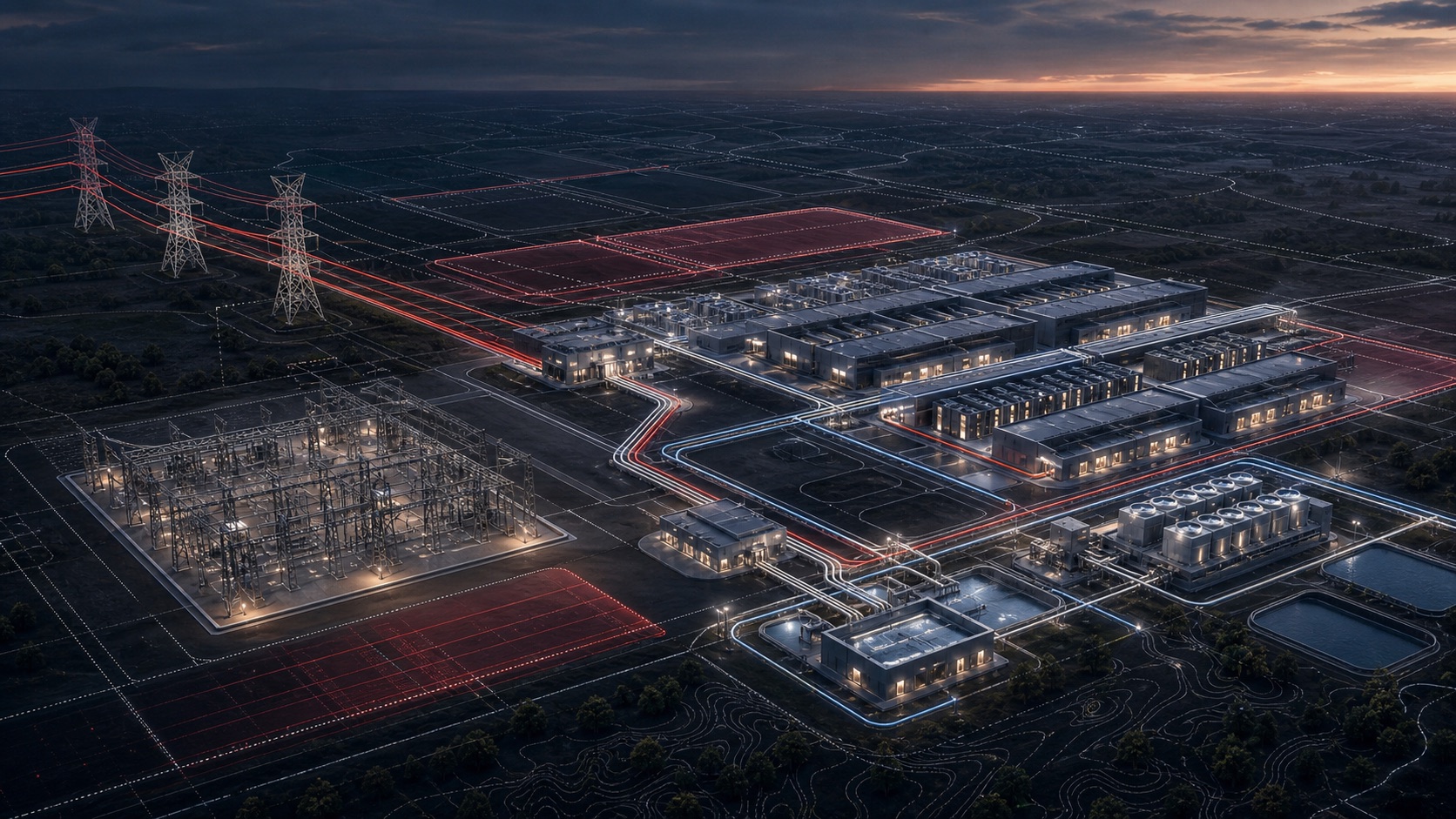
The complaint involves the Colossus gas power plant located at 2875 Stanton Road South, in the city of Southaven, DeSoto County, Mississippi. Court documents quote the plaintiffs' allegations that MZX Tech owns and operates the facility, while xAI is involved in pollution-related operations and decision-making; the power plant supplies electricity to the Colossus 2 data center in the White Haven area of Memphis, Tennessee. These connections between facilities are based on the complaint's recitations, not new factual findings made during this ruling.
Complaint Allegations and Association Standing
Court filings also recounted that the complaint alleges that as of April 7, 2026, there were at least 27 gas turbines on site with a combined generating capacity of at least 495 megawatts. The plaintiffs allege that the defendants constructed and operated the power plant without obtaining the required construction and operating permits or installing appropriate pollution control measures. Judge Brown, in reviewing the motion to dismiss, applied the rule that properly pleaded factual allegations are accepted for purposes of determining whether the complaint states a claim upon which relief can be granted; these numbers and allegations of violations have not yet been finally adjudicated.
The defendants first argued that the two associations could not bring citizen suits under the Clean Air Act on behalf of their members. The court found that the Act permits associations to sue as the entities referred to in the statute; associations may take action to protect members' interests while also serving their own organizational purposes. The ruling accordingly confirmed that the National Association for the Advancement of Colored People and its Mississippi state chapter have statutory standing. This determination addresses the standing threshold, not whether the court has accepted all of the plaintiffs' conclusions regarding emissions, damages, or liability.
Permit Exceptions and Constitutional Challenges
The second dispute centers on whether gas turbines fall within the mobile source category of the permit rules. The defendant cited early communications from the Mississippi Department of Environmental Quality, arguing that turbines installed on movable equipment and intended to remain in place for less than twelve months may be exempted. The court, applying federal regulations to the entire power plant, determined that the facility does not constitute a mobile source and therefore cannot be excluded from Clean Air Act permit requirements. The ruling also preserves another issue: previous communications from state agencies may create a fair notice dispute, but are insufficient to dismiss the lawsuit at this stage.
The defendant further argued that the Clean Air Act permits private citizens to bring citizen suits, violating Article II of the United States Constitution and the non-delegation doctrine. The court found that citizen plaintiffs seeking relief for alleged harm done to themselves, acting in their own name, do not equate to exercising federal enforcement authority on behalf of the government. Judge Brown therefore refused to dismiss the case on constitutional grounds. The ruling's scope is limited to these legal thresholds and does not decide other claims by the federal government, state regulators, or parties in subsequent stages of the case.
Request for Relief and Ruling Boundaries
The plaintiffs ask the court to declare that the defendants violated the Clean Air Act, restrict noncompliant operations, require the installation and use of best available control technology, and order measures to remedy, mitigate, or offset alleged harm to public health and the environment. The complaint also seeks civil penalties of up to $124,426 per day for each violation, plus litigation costs and attorneys' fees. These are requested remedies, not enforceable orders or awards; plaintiffs' counsel also confirmed on October 30 that the preliminary-injunction motion remains undecided.
TechCrunch's public feed recorded the same ruling at 21:17:03 on October 31, with a headline stating that a judge allowed the NAACP lawsuit over xAI data-center pollution to proceed. This report uses only that entry's headline, brief excerpt, timestamp, and link for media corroboration, not the publisher's article text or images. Turbine and emissions figures later published by plaintiffs' counsel differ from the April complaint figures summarized in the court order. The available materials do not reconcile the different dates or scopes, so this report does not use the updated figures or describe denial of dismissal as a final victory.